Add Row
Add Element
UPDATE
Add Element
  • Home
  • Categories
    • Featured Business
    • Fitness
    • Health and Wellness
    • Home Ideas
    • News and Events
June 23.2025
3 Minutes Read

Protecting Your Vision in Midlife: 6 Essential Tips for Women Over 40

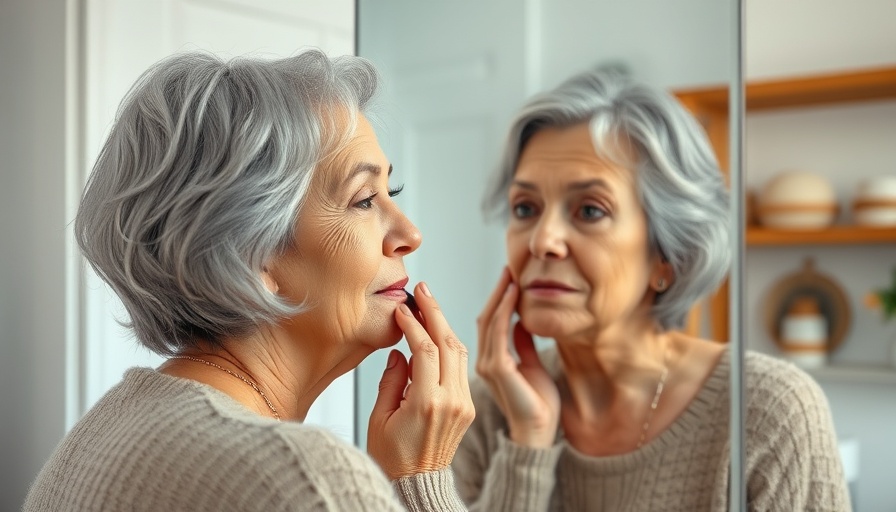
Woman over 40 applying makeup, protecting eye health.

The Overlooked Risk: Eye Health After Menopause

As women approach the age of 40, many start to notice changes in their bodies and health, but one area that often gets overlooked is eye health. Did you know that the risk of blindness becomes more pronounced during menopause, particularly for women? With hormonal shifts affecting the delicate balance required for optimal eye function, understanding these changes is crucial.

Why Hormones Matter for Your Eyes

It’s not just reproductive health that hinges on hormones; they also play a vital role in how our eyes function. Throughout a woman’s reproductive years, estrogen, testosterone, and progesterone work in concert to nourish and protect the eyes. As menopause approaches, however, the levels of these hormones drop dramatically. This fluctuation can lead to symptoms such as dry eyes, which according to health experts, can affect vision quality significantly.

Wise Choices: 6 Ways to Safeguard Your Vision

Here are six actionable steps women can take to protect their eyes as they transition into—or beyond—the age of 40:

  1. Stay Hydrated: Drinking enough water is essential for maintaining moisture in your eyes. Proper hydration contributes to eye lubrication, minimizing dryness and irritation.
  2. Protect Your Eyes from UV Rays: Always wear sunglasses that block 100% of UV rays. This simple step can help prevent cataracts and other sun-related eye issues.
  3. Incorporate Omega-3 Fatty Acids: Include foods rich in Omega-3s, such as fish, walnuts, and flaxseeds, in your diet. Omega-3s are known to reduce inflammation and may alleviate dry eye symptoms.
  4. Regular Eye Exams: Make it a point to schedule comprehensive eye exams every couple of years. Early detection of potential issues can make all the difference.
  5. Utilize Artificial Tears: Over-the-counter artificial tears can provide relief from dry eyes. They work to supplement natural tears and improve overall eye comfort.
  6. Manage Your Screen Time: If you work at a computer, practice the 20-20-20 rule—every 20 minutes, look at something 20 feet away for 20 seconds. This helps to reduce strain on your eyes.

Signs That You Shouldn't Ignore

Being aware of the symptoms of potential eye problems is vital. Increased sensitivity to light, blurred vision, or persistent dry eyes are critical cues that should prompt a conversation with your healthcare provider. These signs can sometimes indicate more severe issues that need professional care.

The Impact of Age and Gender on Eye Health

Interestingly, studies suggest women are 12% more likely to experience vision loss compared to men, largely due to hormonal variations during menopause. The implications of these changes extend beyond personal health; they can affect various aspects of life, from the ability to engage in daily activities to overall well-being.

Embracing Change: How to Feel Empowered

While changing hormones can be daunting, it's also an opportunity to take charge of your health. Embracing regular eye care, along with a healthy lifestyle, can prove beneficial. Being proactive in these areas not only helps maintain good vision but also supports overall health as one ages.

Final Thoughts: An Invitation to Act

Your eyesight is among your most valued senses. As you journey through the changes that accompany aging, particularly as they relate to hormonal shifts, remember that safeguarding your vision is within your control. Make a commitment today to nourish your eyes and pay attention to their needs as you age. Reach out to your doctor or an eye specialist to discuss any concerns you may have—it’s never too early to start prioritizing your eye health!

Health and Wellness

Write A Comment

*
*
Related Posts All Posts
01.11.2026

Why Your Skin Is a Key Indicator of Your Overall Health

Update Your Skin: A Window to Your Health We often think of skincare as cosmetic extravagance, a routine of serums and spas, but the reality is far deeper. Renowned dermatology experts have begun to reveal a compelling truth: our skin serves as a live report card on our internal health, highlighting everything from cellular aging to metabolic well-being. Dr. Saranya Wyles, an esteemed dermatologist at the Mayo Clinic, states that "skin is our most visible biomarker of how we're aging internally." In essence, if you want a glimpse into your overall health, just take a close look in the mirror. Understanding Skin's Role in Aging Our skin is not just our largest organ; it’s also the most regenerative. Constantly in a state of renewal and repair, skin reacts to signals from every part of our body. This regeneration comes with age; slow wound healing, pigmentation changes, and reduced elasticity are all signs that our skin is showing of the internal aging process. Most importantly, cellular senescence, often dubbed as "zombie cells," can significantly impact our skin's health by releasing inflammatory molecules that can harm surrounding cells. Your skin, more than any other organ, bears the brunt of external stressors like UV rays and pollution, making it the first to show signs of aging. It’s fascinating how something so visible can give us clues about our body's systemic health. The Impact of Lifestyle: Sleep Is Key If you aim for healthier skin, let sleep be your first priority. Sleep is crucial for skin longevity, with Dr. Wyles affirming that “sleep is the number one factor we can influence to support healthy skin.” During deep sleep, the body undergoes vital processes like clearing waste and repairing damaged DNA. Insufficient rest leads to increased inflammation and a weakened skin barrier, which could manifest as poor skin quality. Intriguingly, skin operates on its own circadian rhythm; it rejuvenates at night and guards against environmental threats during the day. Respecting this natural cycle is integral to your skin’s health. Movement Matters: Exercise for Glowing Skin Exercise is often overlooked in discussions about skin health, but it's a critical factor. Regular physical activity not only boosts your heart and muscles but also supports skin health by promoting better circulation and toxin elimination through perspiration. Resistance training has additional benefits, releasing myokines—proteins that reduce inflammation and aid in tissue repair. Emerging studies even indicate that consistent exercise can reduce cellular senescence, keeping your skin looking youthful. Moving your body is a powerful skin therapy we should embrace. The Importance of Sun Protection In the evolving world of skincare, from innovative peptides to groundbreaking stem-cell therapies, one fundamental principle remains unchallenged: the necessity of sunscreen. Dr. Wyles emphasizes that sun protection is paramount for skin longevity. UV exposure drastically accelerates skin aging, leading to various issues like pigmentation and loss of elasticity. Hence, a good SPF is not merely an accessory in your makeup bag; it’s an essential shield against premature aging. Harmonizing Mind and Body with Holistic Practices To nurture your skin effectively, consider holistic approaches as well. Stress management practices, such as meditation and yoga, can significantly reduce inflammation, which directly impacts skin health. Moreover, nourishing your body with a well-balanced diet rich in antioxidants can combat oxidative stress and facilitate skin repair from within. Incorporating plant-based foods, healthy fats, and adequate hydration can enhance not just your skin's appearance but overall well-being. Your Action Plan for Healthy Skin Now that you understand the intricate relationship between your skin's health and your overall well-being, it’s time to take action! Prioritize restorative sleep, integrate regular physical activity into your routine, shield yourself from UV rays, and adopt a mindful approach to stress management. By making small, consistent changes, you pave the way for healthier, more vibrant skin. Don't forget to celebrate those little victories on your journey to glowing health!

01.10.2026

Unlocking Daily Activity: How Quality Sleep Predicts Your Movement Levels

Update A Paradigm Shift in Activity Levels: Sleep as the Unsung HeroWhen it comes to living a more active lifestyle, many of us often jump to exercise regimens and motivational quotes to find our inspiration. However, recent research reveals that the secret to increasing daily movement may lie less in exercise itself and more in the quality of our sleep. In a world bustling with alarms and responsibilities, the significance of sleeping well can easily be overshadowed by the incessant push for more physical activity. Yet, a groundbreaking study involving nearly 71,000 adults across the globe has illuminated a striking connection between sleep quality and activity levels.The Study: Methodology and FindingsPublished in Communications Medicine, the study analyzed about 28 million days of data collected from participants who wore activity trackers and employed under-mattress sensors to measure their sleep patterns. Contrary to common assumptions, the researchers discovered that only a mere 12.9% of participants consistently met both recommended sleep (7-9 hours) and activity (8,000 or more steps daily) benchmarks. Alarmingly, 17% of individuals reported getting less than 7 hours of sleep while also walking fewer than 5,000 steps daily, marking them at a higher risk for chronic health issues.The results revealed that better sleep directly correlates to increased daily movement. More precisely, participants who reported high sleep efficiency took, on average, 280 more steps the next day. Interestingly, while more sleep enhanced movement, physical activity alone had little to no effect on sleep quality.The Vicious Cycle: Sleep Deprivation and Reduced ActivityIt seems that for many, poor sleep becomes a barrier to being active. A lack of restorative sleep not only dampens motivation but also hinders coordination and creates feelings of fatigue. As the findings suggest, sleep serves as a performance enhancer for daily activity. In essence, the less rested we are, the harder it becomes to meet our daily movement goals — a cycle that ultimately impairs our health.Practical Tips: Enhancing Sleep Quality for Better ActivitySo how can we utilize this insight? Instead of focusing solely on increasing physical activity, prioritizing sleep quality could create a ripple effect throughout our daily routines. Here are a few effective strategies:Establish a Consistent Sleep Schedule: Going to bed and waking up at the same time each day helps regulate our body's internal clock.Prioritize Sleep Quality Over Quantity: Setting up a relaxing bedtime routine, limiting screen time, and enhancing your sleep environment can significantly improve sleep quality.Engage in Relaxation Techniques: Methods such as deep breathing or meditation not only calm the mind but can facilitate a smoother transition to sleep.The Broader Implications and Community ConnectionsThis new understanding of the relationship between sleep and physical activity carries substantial implications, especially for communities like Fresno, CA. With rising concerns over chronic diseases linked to inactivity, fostering better sleep hygiene could serve as a vital public health strategy. Encouraging residents to make sleep a priority could catalyze significant benefits for both their physical and mental health.A Community Movement Toward Better HealthAs residents aim to revitalize both sleep and movement, local resources, workshops, and community programs focusing on well-being can be incredibly helpful. Engaging in community discussions about health and fostering group activities can also motivate residents to improve their sleep hygiene collectively, leading to a more active lifestyle.Conclusion: It's All About BalanceIn a bustling society, prioritizing sleep may feel like a luxury when in reality, it is essential for fostering the energy needed to boost our daily movement. Let this be a reminder that a good night's sleep is not merely an afterthought, but rather a cornerstone of a healthy lifestyle. As locals in Fresno integrate these findings into their routines, the potential for enhanced health outcomes could be significant. Make sleep a priority to rejuvenate and revitalize your health!

01.08.2026

How Emotional Well-Being Influences Heart Health Outcomes

Update Unveiling the Hidden Ingredient for Heart Health When discussing heart health, we usually think about diet, exercise, and other visible lifestyle factors. However, recent research is revealing an extraordinary insight: emotional well-being plays a critical role in shaping heart health. A groundbreaking study from the University of Kentucky in 1980 highlighted a remarkable finding—rabbits fed a high-cholesterol diet exhibited vastly different health outcomes based on one overlooked factor: affection. This information reshapes our understanding of nutrition and introduces an emotional element that is often disregarded. The Surprising Study on Rabbits In the University of Kentucky study, researchers were intrigued by a group of rabbits that developed significantly less arterial plaque despite being fed the same diet as their counterparts. Initial assumptions led scientists to consider potential errors in the study design. Yet, after thorough checks confirmed consistent parameters—cholesterol levels, blood pressure, and more—the researchers turned their attention to the lab environment. They discovered that the lab assistant responsible for one group of rabbits had been offering them gentle affection, focusing solely on their care and bonding. Emotional State Influences Physiological Health This study invites a deeper analysis of the emotional conditions under which we consume our food. When we eat under stress—grappling with guilt or anxiety—it activates cortisol release, decreasing digestion efficiency and heightening inflammation. Alternatively, enjoying food in a relaxed atmosphere, marked by joy and laughter, can engage a "rest-and-digest" state that facilitates better digestion and metabolic regulation. Social Connections and Heart Health The emotional connections we nurture can have profound influences on our physical health. According to findings from AdventHealth, maintaining strong relationships not only offers emotional support but can also directly impact blood pressure and heart health. Simple actions, like hugging loved ones, can induce the release of oxytocin, a hormone known to lower stress and blood pressure. Moreover, the act of laughing has demonstrated benefits similar to those of aerobic exercise, improving blood flow and heart function. The Power of Love and Connection Dr. Wodi, a cardiologist, emphasizes that experiencing love can have measurable effects on heart health. Engaging with friends and family significantly contributes to emotional well-being and physical wellness alike. Laughing, sharing affection, and even writing gratitude notes to loved ones are initiatives that not only foster relationships but can also create protective factors against heart disease. Bridging Nutrition and Emotional Health Integrating the teachings from both the rabbit study and subsequent research, it becomes evident that healthy dining is as much about emotional context as it is about physical nutrients. If you engage in mindful practices—eating while feeling positive and connected—you are likely to enhance not only your experience but also your overall health. By cultivating an environment of affection and joy, we may find ourselves inviting better heart health through simple adjustments in our relationships and emotional states. Practical Insights for a Healthier Heart The implications for our daily lives are encouraging and actionable. Here are some practical tips to enhance your heart health through emotional well-being: Prioritize Social Connections: Make time for loved ones, whether virtually or in person, to foster relationships that benefit your emotional health. Practice Gratitude: Writing thank-you notes or sharing compliments can strengthen bonds and potentially lower cholesterol levels. Incorporate Laughter: Make a habit of watching comedies or attending fun gatherings; laughter truly serves as medicine for the heart. Mindful Eating: Approach meals with a focus on positivity and enjoyment to cultivate a nurturing atmosphere as you dine. Manage Stress: Explore stress-relieving activities like yoga, meditation, or simply spending time with a pet to create a calming environment. Call to Action Your heart health is profoundly intertwined with your emotional state and relationships. Take the time today to reach out to a loved one, share a heartfelt conversation, or simply engage in an activity that brings you joy. Prioritizing connections not only nurtures relationships but significantly impacts your physical health.

Terms of Service

Privacy Policy

Core Modal Title

Sorry, no results found

You Might Find These Articles Interesting

T
Please Check Your Email
We Will Be Following Up Shortly
*
*
*